
Sobriety Doesn’t Have to Be Miserable
Connection and community make it way easier.

In getting sober, we not only leave alcohol and other drugs behind. We leave parts of ourselves behind, too. Parts like habits and routines that are familiar, if miserable. Like personalities that turn on with alcohol and fall silent when sober. Like relationships and ways of being in relationship.
There’s much to celebrate in this—sobriety holds tremendous gifts, and often these shifts are welcome. And yet, the early days, months, and even years of sobriety can bring profound disorientation, discomfort, and grief. Also anger… and fear.
Feeling those things is normal. Feeling those things is an essential part of leaving what’s harmful behind and stepping into our more honest, more complete version. But that’s not the whole of it. Because no matter how hard it might feel in the beginning or even further along, sobriety doesn’t have to be miserable.
Sure, it will be miserable sometimes—same as life generally (and certainly same as life with your drug of choice). But the hard parts of getting sober are moving you towards something healing, whereas the hard parts of using were keeping you stuck.
We’re choosing to discover, remember, and return to parts of ourselves we’ve abandoned. We’re choosing to connect more fully with ourselves and with others. Also our deepest values, the Universe, a Higher Power, or, simply, love and connection.
Finding our way to this place—the place where we’re conscious of all that we gain in sobriety, and all we say yes to—takes participation. We have to choose to participate in a more present, more grateful, more joyous journey.
Because look: it’s easy to fixate on what we’ve given up, what we wish were different, and what feels difficult or even unfair. It’s also completely natural to do that some of the time. But is that really the freedom we’re seeking? Do we really want to live there all of the time—white-knuckling our way through sobriety?
I know I don’t. I also know that the more I focus on what’s better in sobriety, the better it gets and the better I feel.
What makes that easier? And more likely to stick? Finding and engaging in kindred community.
Finding kindred community can look all kinds of ways, and the best way for you to find connection in sobriety might look different from what works for others. But whatever it looks like, I encourage you to stretch beyond yourself and venture a touch past your comfort zone.
You’ll be able to feel what kinds of connections support you and your journey. They will leave you energized instead of depleted. They will fill you with hope instead of despair. They will lead to more calm, joy, and openness—both internally and when connecting with others.
Here are a few ways to choose what’s expansive, cultivate community, and create a network of support in sobriety.
Attend meetings online. These days, you can attend recovery meetings seven days a week without leaving home. In The Rooms, for example, hosts more than 150 online meetings weekly (totally free). In addition to regular AA meetings, you’ll find agnostic AA, ACA, Alanon, CODA, MA, NA, agnostic NA, Naranon, Recovery Dharma, SHE RECOVERS, Women in Recovery, and more—including a range of specialty meetings.
Attend meetings in person. Find an extensive directory of AA, NA, and other 12-Step meetings here (these, too, are free!).
Join an online sober community or program. In addition to hosting their own meetings, online communities often offer interactive forums, courses, retreats, groups, and other ways to receive support and connect. See, for example: The Luckiest Club, SHE RECOVERS, This Naked Mind, and smaller, more intimate gatherings like Ellie Nova’s Women’s Sobriety Support Circle. *If you host sober meetings or run a sober support group, please tell us about it in the comments!
Socialize with sober folks one-on-one or as a group. Reach out to others who don’t drink (whether or not they consider themselves sober). These might be people you already know, or you might make new connections online through sites such as BumbleBFF, LOOSID, or the sobriety section of MeetUp.com. Zero-proof socializing is becoming more and more common, with younger generations leading the way. Go for coffee or a hike, sign up for a community art class, attend an alcohol-free event… relearn how to have fun without alcohol! *You could also reach out to an online connection and invite them to a 15-minute meet-and-greet or coffee/tea date on WhatsApp or Zoom—something low-key with a time limit, so it feels less intimidating.
Curate your online consumption. Don’t underestimate the influence of media on our moods, cravings, and choices. Thankfully, more and more people are sharing their sobriety stories, challenges, and successes online. As a starting place, check out Sober App Substack (this newsletter, totally free!), where you’ll find personal shares from people at all different stages of the recovery journey using all different approaches and programs. Also check out SoberStack™, an annotated directory of newsletters focused on addiction recovery and sobriety featuring 183 alcohol-free Substackers (also free, and growing!).
Join an online app that includes community features. Sober App, for example, is a free app to help you build new habits, stay motivated, and connect with supportive community. If you’re on a sobriety journey (or even thinking about starting one) this is a place to connect, learn, and feel seen and supported.
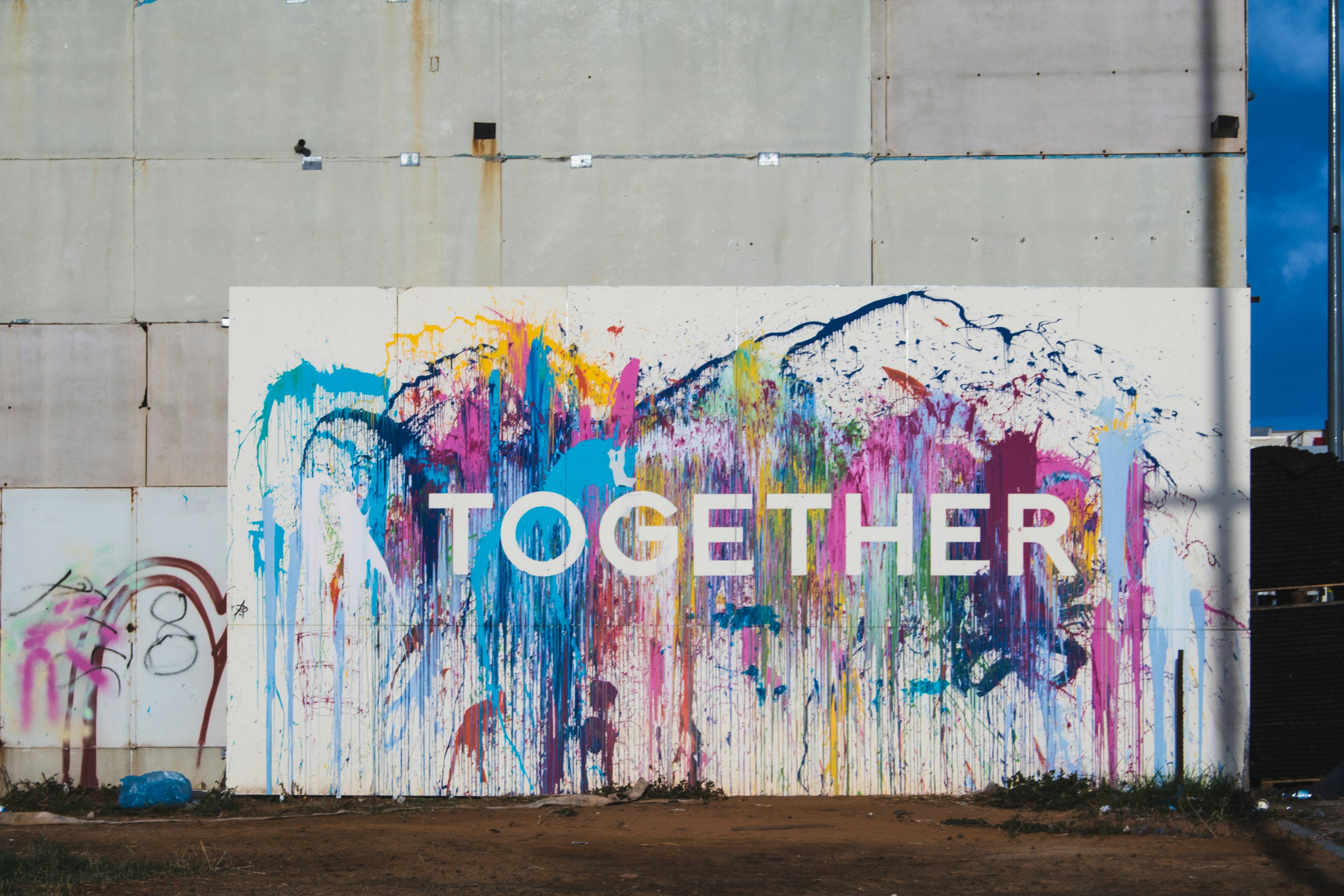
By surrounding yourself with sober community and sober content (in whatever form, online or off) you’ll be:
Creating your “new normal”—one that’s not just about quitting a thing, but also stepping into a life that feels better.
Choosing “your advertising”—the overt and subtle messaging that surrounds you and influences your worldview, experience, and choices.
Helping yourself stay accountable to your choices and commitments.
Growing a network of support, safety, and care.
Making sobriety less miserable and more joyful—maybe not all of the time, but a whole lot more often.
I get that this might sound scary or vulnerable. I get that you might feel resistance. But I encourage you to run an experiment, give a new sort of connection a try, and see how it goes. Worst case, you can decide a particular way of connecting isn’t for you. Best case, your life in sobriety might end up richer, fuller, and more supportive than you ever imagined.
Where do you find connection and community in sobriety? Please share and connect in the comments!
And if you found this article helpful, please tap the little heart. It lets others know there’s something useful here and will help us grow this community.
Want to be published on Sober.com? If you’re sober and interested in contributing, we’d love to hear from you. Reach out to our newsletter manager here for submission guidelines. We welcome and celebrate all paths to getting and staying alcohol free.
We know that sharing about recovery and sobriety can feel vulnerable. Like in recovery groups, we ask that commenters in this space refrain from giving unsolicited advice or spreading hate and division. Thank you for helping us foster a kind and inclusive community!
Dr. Dana Leigh Lyons, DTCM is a Doctor of Traditional Chinese Medicine sharing heart-sourced guidance on body-mind-spirit wellness. She manages Sober App Substack alongside writing her own newsletter: PERFECT HUNGER™, feeding your hunger for a more beautiful, more nourishing life.
Thank you everyone for being here! Please feel free to share links to your own sober group, publication, or other alcohol-free offering in the comments. The holidays can be a tough time to be sober... so let’s remind each other we’re not alone. ❤️
Thank you so much for the shout-out to my women's sobriety circle Dana. Connection is SO key on this journey. It can feel strange and scary at first because most of us are raised to think we have to do this alone and there can be shame attached to reaching out to others. But what a relief it is to take that brave step, reach out to others, and realise we're not alone. I have found that often the things I am most ashamed of are the things that many others are struggling with too.