
There Was a Reason I Was Drinking
What I learned after a year without alcohol

On a Sunday morning in April 2025, I wake up in my dark bedroom with a throbbing headache and a sense of impending doom: the one-two punch I’ve grown accustomed to after a night of drinking. Hurting and frustrated, I decide this is it. I’m throwing in the towel on alcohol. I don’t want to experience another hangover ever again. It’s not worth the misery.
For the first few months without drinking, I’m confident I’ve made the right decision. I’m able to start taking care of my health without the punctuations of bad sleep and subsequent poor eating that my hangovers always brought. I begin to practice yoga daily, get a red light face mask, and start prioritizing things like farm-grown vegetables. My stomach, which had always given me trouble with mysterious aches and pains after a night at the bar, miraculously absolves itself of the IBS I’d long suspected I was suffering from. Plus, an added benefit: I’m saving so much money!
But as time goes on, I start to notice a growing feeling of discontent. I go to a party or work event and spend the night preoccupied with thoughts of what everyone thinks of me. Whether or not I’m saying the right thing, if I’m being fun enough. I leave social situations feeling exhausted and miserable, unable to break free from obsessive thoughts about my awkwardness. Eventually, I stop going out on the weekends altogether to escape the discomfort of being in a room full of people and unable to connect.
Alone and lonely one night in the red glow of my mask, it hits me: there was a reason I’d been drinking.
Alcohol had served a purpose in my life, starting from the time I had my very first drink.
As a kid growing up in New England, I was different. And different, I learned, was bad. Obviously. Otherwise the kids wouldn’t laugh at me for the food I brought for lunch. The teachers wouldn’t get me in trouble with my parents for speaking Croatian on the toy kitchen phone. I wouldn’t be removed from the rest of my class and placed into a special learning room for not being able to pronounce the “th” in three. To make matters worse, I was about a foot shorter than everyone in my grade, too.
Maybe other kids can get through stuff like that without it affecting them; in fact, I’m sure most immigrant kids do. Short kids, too. But here’s the other thing about me as a kid: I was sensitive. Really sensitive. So when kids laughed at me, and when teachers treated me differently, it hurt. Bad.
So bad that I went from being a loud, expressive kid who put on plays and impromptu performances for strangers to quiet and reserved, my nose always in a book. I learned that the less I spoke, the less people could see me—the less they could point out how different, how wrong I was. I withdrew from real life into the fantasy worlds of my books, voraciously reading the Harry Potter series in weeks.
But then emerged another problem, one that I couldn’t stamp out even with the best of stories. A feeling. Namely, a want.
I could feel a longing in my bones when I saw the other kids in school, laughing with their big groups of friends. Teasing each other in the hallways, shouting in the gym. Despite the pain it had caused me, I still, it turned out, had a deep desire to be amongst them.
Thankfully, I found the solution to this problem in high school, the summer before my sophomore year. The night I took my first drink, I knew I’d found it: magic. Like when Harry Potter gets his invisibility cloak and steps into it for the first time, realizing he can go anywhere with it on, completely unseen. With a few chugs from a water bottle at a party, I, too, was suddenly able to go anywhere. I could forget about what had made me so different—so wrong. I became confident, funny, and comfortable in my own skin.
Finally able to be myself in front of others, my social life bloomed. I made friends, started going out more, and even got a boyfriend.
But now, fourteen years later, the cloak was off.
And once Harry took the invisibility cloak off, the game was over. There he was, exposed and in trouble.
Without alcohol, I was the same me I’d left behind all those years ago. Self-conscious, fearful, and yearning for connection in rooms of people—but too scared to do anything about it.
Alcohol hadn’t solved my problem after all. I was still the same me.
It seemed like there was only one option: start drinking again. It’s not like I ever had a real problem with it, I reasoned. Not like other people do. I could get away with drinking for the rest of my life without any real consequences. What was an annoying hangover compared to a lifetime of alienation?
That’s around the time that a friend from college reached out. She’d seen on Substack that I’d stopped drinking. She had, too. She was in a sober community. She invited me to meet them. There, I heard from girls with similar stories to mine. They, too, had used alcohol in social settings in order to feel more comfortable in their own skin. But now they were able to feel at ease all the time—without drinking. They told me that I could do this, too. That I could learn how to be in the world as I was, without any kind of cloak. I was intrigued and decided I’d listen to what they had to say.
The connections I started to make were different from the ones I’d grown accustomed to. When I was drinking, the relationships—whether platonic or romantic—I made were explosive: they would start at 100 and eventually degrade with time. These new friendships I made with sober women were different—they progressed slowly, growing closer with each passing day that we talked, met for coffee, and showed up for one another.
Buoyed by my new network of support, I began to take risks at work and in my creative endeavors. I began, for the first time, to allow myself to fail at things. I signed up for German lessons. A writing class. A public speaking course. I allowed myself to be scared, and to do things anyway.
It’s been a little over a year now since my last drink, and I confess that I still haven’t been able to access the complete ease that alcohol provided for me in social situations. I still haven’t found the silver bullet to self-acceptance.
But here’s the thing about silver bullets and cloaks of invisibility: they aren’t real. They’re just stories for kids. Illusions.
And I’m starting to suspect that the real magic—well, it might be in me. And that it’s the kind that doesn’t go away after a night out. In fact, every time I allow myself to be seen for who I really am—for all of my differences—it only grows stronger.
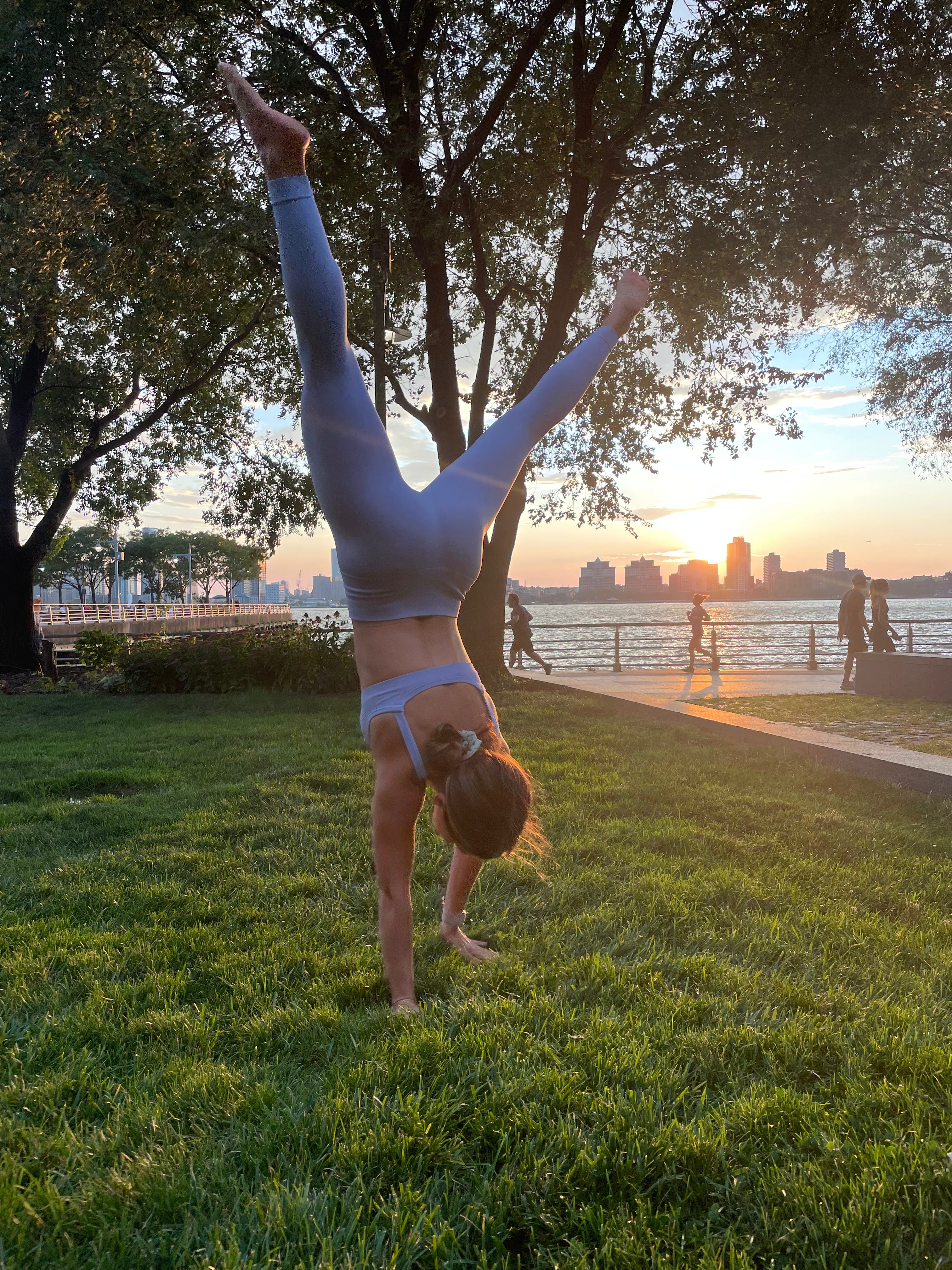
And it’s the kind that finds me on a Sunday morning, surrounded by a group of friends. Standing in the sunshine, smiling.
What’s helped you feel more like yourself in sobriety? We’d love to hear in the comments.
And before you go, would you take a second to tap the heart? It helps more people find this work and supports our sober community.
We know that sharing about recovery and sobriety can feel vulnerable. Like in recovery groups, we ask that commenters in this space refrain from giving unsolicited advice or spreading hate and division. Thank you for helping us foster a kind and inclusive community.
maja roglić is a Croatian-American writer based in New York City. Her blog, still loading, explores themes of identity, belonging, and the ongoing project of personal growth. When she’s not writing, you can find her on a plane, yoga mat, or buying yet another plant for her apartment.
Want to be published on Sober.com? If you’re sober and interested in contributing, we’d love to hear from you. Reach out to our newsletter manager here for submission guidelines. We welcome and celebrate all paths to getting and staying alcohol free.
 | A guest post by
|
Thanks for a beautiful share, Maja. Here’s to your inner magic!
I can resonate with lots of your story. I’m naturally a quiet / not very social person (unless I’m with people I know very well). It’s been interesting to learn how to just accept that that is how I am. Being around sober people, fostering those friendships, that makes all the difference 🌝 thank you for sharing!