
Never Enough
My life and addiction

I always feared running out of liquor, and so it was the case on this particular day in my drinking career. There were bottles here and there, some empty and at least one half-full. At the time I did not know I was entering a new phase of addiction that would bring me to my lowest depths.
There should have been plenty for the day. You see, I no longer tried to resist the siren call of drinking. I had lost so much, was all alone, and planned on staying intoxicated forever. I did not know how long forever would last, but I had no time at all for sobriety.
It was perhaps late afternoon, but I do not remember many details. After surveying my supply, I concluded that I did not have enough. Thus, I dragged myself out to get more. It did not matter the last time I had cleaned myself, the clothes I wore, or if I was coherent enough to drive. After purchasing some, the cops intervened and shut down my forever plan.
Surrounding myself with many bottles of strong drink was my attempt to feel safe and secure. It never worked, though. Also, this little episode with enormous ramifications was far from the first time I felt inadequate.
Growing up, I secretly thought within myself that I must have been conceived in error. I was like a malfunctioning creation who could not blend in with all the other boys and girls.
In my native Alabama, there was a clear definition of boyhood and manhood. Males were supposed to fish, hunt, play sports, and get a little rowdy. To say that I was a sensitive soul, lost in my inner contemplations of the world, is an understatement. There was no football for me, and I could not bring myself to shoot and kill animals as was commonplace.
Thus, I believed I was never enough, realized this, and hoped that others would not recognize my obvious shortcomings. I remained a lonesome person, set apart from all others part of my small-town world.
In fact, remaining distant from others has been a theme of my entire life. Belonging is important, especially to a youth who felt always in-between and never a full participant in life. During my childhood, young adulthood, and then even later, I felt lacking as a member of any kind of social group.
I was not an athlete, or a rebel, and did not have the best grades in high school. Later I found that graduate school in History suited me well, but never did I imagine myself as smart as the professors who populated my world as a college teacher.
They were likely from homes with lots of books and had lots of experiences traveling the world. This fearful loner came from a blue-collar family, never considered himself as cosmopolitan, and hates airplane travel.
If it is not clear already, I suffered from Depression, Anxiety, and probably other undiagnosed conditions. I have researched Autism and I seem to fit on the spectrum, as well.
Mental illness compounded my worries but at least offered a name to call that sadness and apprehension that was always there. My long road toward better mental health took many twists and turns, and for most of my life I remained untreated. Only now can I look back at the most troubled years with the tools that mental health offers.
Oh, and there is never enough time. You see, I have been hoping for a time machine that can transfer me back and live the life I know was there for the taking. The fun of college life, with dating and parties, eluded me. I was doing my best just to hang on, attend classes, and not have nervous breakdowns.
Now at middle age, I want to do everything that once seemed impossibly hard. All those days spent intoxicated, waking up without knowing what happened, where I had been, or what day it was, need to be reclaimed. But I feel I am too late. My thirties passed by as if the decade only lasted a week or two—with few memories due to my alcohol disease.
My addiction came later in life, and I think it was a response to all the years of not belonging and never finding a suitable identity. I believe my “medicine” for all that ailed me was inevitable. It would have arrived in some form, but it happened to take the shape of a bottle.
That day getting arrested sent me on a journey that started with jail but ended in quiet, sober, reflections that built a long-lasting defense system against the drug. Most of those bad days are now foggy in my mind for obvious reasons. But I searched, literally, for the highest of highs that alcohol could provide. I wanted to set records for drunkenness and perhaps did.
Mental health lockdowns were not where I wanted to go, but they were necessary for me to begin taking steps away from alcohol. This is the best thing that happened: I was able to sit with my thoughts, without judgment or any pressing concerns, for the first time ever. I concluded that I was not a broken person and that I had much to offer the world.
I never held any funeral service to seal the end of my drinking career. Still, it felt much like a death with all the complications of losing someone you love yet despise. I almost said hate, but I do not think I could ever truly feel like I hated alcohol.
You see, already I must contend with the possibility of drinking’s return. We are best friends, enemies, and estranged acquaintances. I am wary of declaring formal victory.
For me, life itself is a trigger. Those days of solitude and despair have not left me entirely. I am a loner who avoids empty conversations and most of the posturing that goes on as a replacement for real exchanges and real depth of character.
I cannot run from who I am. Because of my sensitivity and aloneness in this world, I am especially susceptible to alcoholism. There is no good reason to pretend otherwise. No, I just cannot arrange a funeral for drinking.
But courage is not the absence of fear, it is the doing of something hard alongside fear. For me, this means a daily effort to resist something that I once loved.
Finally, I realized that I always had enough of everything I needed. This thought entered my brain only because of my arrest and mental health treatment ordeal.
I was unique. Not belonging was likely to happen, given that my personality and preferences were at odds with my surroundings. Why would I want to fit into a culture that was anathema to me, anyway?
Now, five years past the quiet time where I realized so much, I believe I am enough to keep on my current, healthy course. I am not terrorized daily by life or by the threat of addiction, yet I respect what alcohol can do and live with this awareness.
I feel safer surrounded by Word documents and my writing websites these days. It turns out writing has always been something that was meant for me. It mostly satisfies my artistic instinct to create.
Writing saves my life every day, because I can release the inner tensions and drown those voices that ask if I will ever be enough.
Has your understanding of “enough” changed over time? We’d love to hear in the comments.
And before you go, would you take a second to tap the heart? It helps more people find this work and supports our sober community.
We know that sharing about recovery and sobriety can feel vulnerable. Like in recovery groups, we ask that commenters in this space refrain from giving unsolicited advice or spreading hate and division. Thank you for helping us foster a kind and inclusive community.
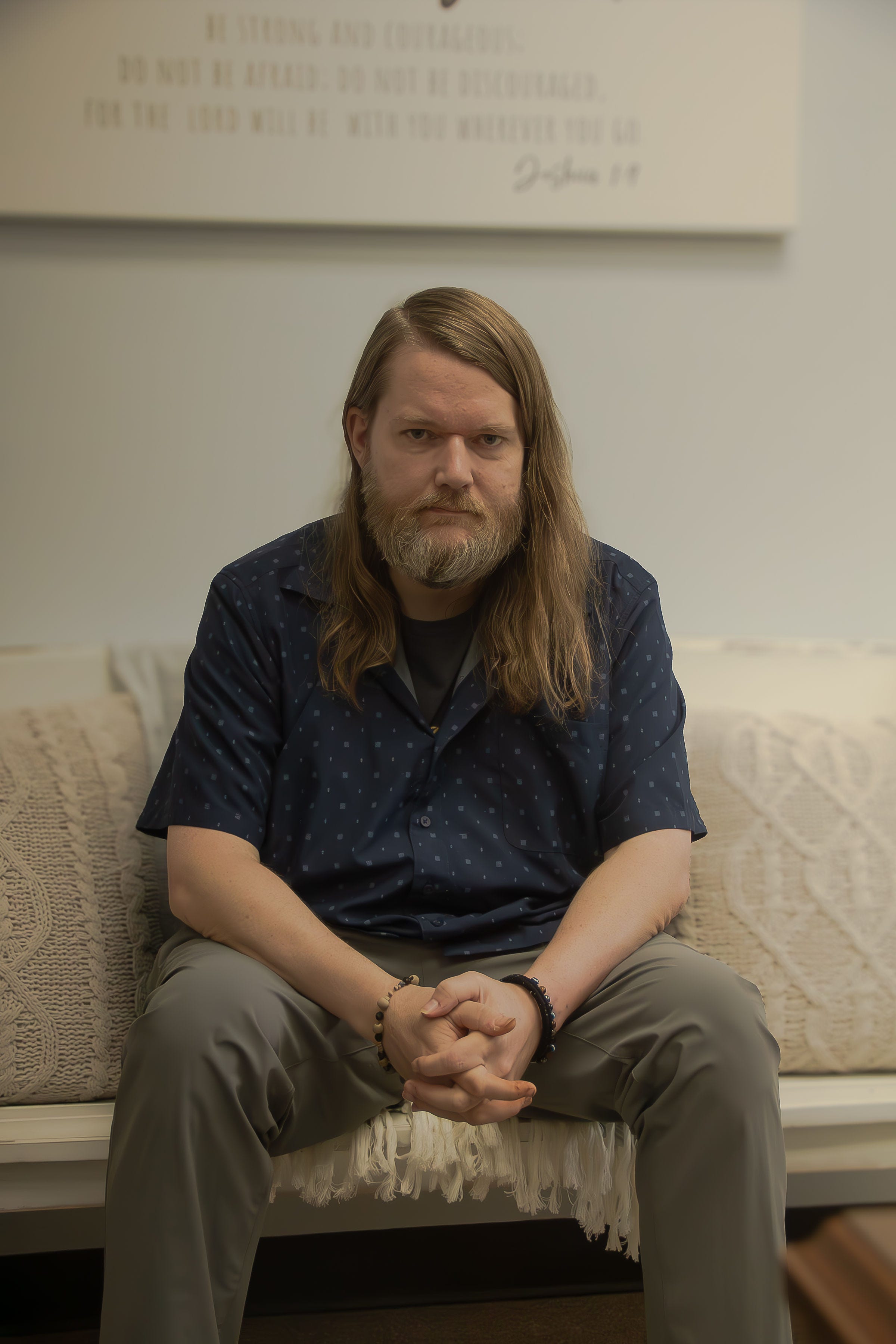
Strawbridge has taught at the college level for many years after earning his Ph.D. in History. He has personal experience with both mental illness and addiction and speaks to groups on a variety of related topics. He is the author of My Own Ashes: A Hero’s Journey With Mental Illness and Addiction. You can find his newsletter at The Mind-Soul Sanctum.
Want to be published on Sober.com? If you’re sober and interested in contributing, we’d love to hear from you. Reach out to our newsletter manager here for submission guidelines. We welcome and celebrate all paths to getting and staying alcohol free.
 | A guest post by
|
Thank you for such a tender, honest share, Strawbridge.
I found that living honestly is the way to go. Addiction is just a form of lying to yourself, after all. Writing is therapeutic. It forces me to concentrate on what I am actually feeling. So, writing is also a kind of honesty.