
Finding Your Why in Sobriety
A deepening exploration that goes beyond resolutions

“Are you sure you want another one?”
My answer was always yes. Immediate. Automatic. The expression on my face read as though they were the weird ones for even asking. Of course I wanted another one. I was totally fine. I could function. I could work. I could show up on set, finish projects, maintain relationships. Drinking wasn’t affecting my life in any negative way—or so I believed at the time.
What I didn’t realize was that this automatic defense—this instant “yes”—was the first barrier between me and any real awareness of what alcohol was doing. I didn’t know there was a problem, so there was no access to a solution.
I moved a lot growing up. Deep, sustained friendships that take years to build and nurture didn’t have enough time to take root. This created an unhealthy pattern of being more dependent on my romantic relationships. What made that even more challenging is that nearly all of them were long-distance over so many years. That left a lot of time alone, which made my depression worse.
The distance to the local gas station would provide a sense of relief—there was always one close by. When thoughts of inadequacy and the question of whether I was enough became too much, it was easy to rely on this substance to support me.
It became exhausting trying to manage this same routine daily. The hangovers. The depression. The uncertainty. I wanted more from my life. I was tired of being tired. The barrier started to crack. When one of my relationships ended, it opened my world to therapy. My therapist introduced me to meditation. Meditation offered space to start building a new relationship with myself, from optimizing sleep and nutrition to pushing myself harder in the gym.
These moments kept chipping away at the barrier, but the light coming through was barely noticeable. I was still dependent on alcohol. I wanted to give it up, but I couldn’t figure out how. I tracked it for years. I tried to control it. It wasn’t until my coach in a fitness class told me, as I was bent over trying to catch my breath from another night of heavy drinking, “You won’t progress if you keep drinking like that.” Then I realized alcohol was stopping me from moving to the next level. This desire became my why: I was going to get to the next level.
All of these moments, these small revelations—they didn’t happen within one month of committing to a resolution. They happened over time, through years of friction between who I was and who I wanted to become.
That’s the part most resolutions miss. Every January, nearly half of Americans make New Year’s resolutions. Most involve health, money, or relationships. Most fail. I later learned I wasn’t alone in this pattern. Some research suggests that only 9 percent of Americans keep their resolutions. Around 23 percent quit in the first week. By the end of January, 43 percent have abandoned them. One study identifies the second Friday in January as “Quitter’s Day.”
Why do we keep doing this to ourselves? Resolutions are temporary. Surface-level declarations made in a moment of motivation, without the accumulated friction beneath them that makes change sustainable. They’re focused on what you should do, not on what you can’t keep avoiding. I’ve watched people set goals that are too ambitious, expecting immediate transformation. They go too hard, too fast. They treat resolutions like a checklist rather than an invitation to become a different version of themselves.
Most people try to quit before they’ve found their why. Or they confuse a why with just a reason. There are plenty of reasons to stop drinking. But a reason is external: “I should stop because it’s bad for my health.” A why is internal: “I can’t become who I want to be while continuing this pattern.” A why isn’t manufactured. It emerges from the friction, from the exhaustion of maintaining something that’s no longer serving you.
When you find your actual why—not the one you think you should have—everything changes.
My early why was physical. I wanted to feel my best. I wanted to perform at my best. But what I couldn’t see at the time was something deeper—I wanted to appear my best to others on a surface level. To be seen differently. To use my physical appearance to find acceptance internally.
Five years into sobriety, my why has deepened.
It’s about growth internally. And how this relationship continues to develop. Breaking through the barrier revealed the light inside I wouldn’t have expected to find. A love for myself I didn’t know was possible. This goes much deeper because the patterns that had developed over years of negative self-talk could be revealed by staying with the uncomfortable thoughts versus numbing them away. Recognizing them and working with them. Changing them. Evolving them into compassion. Becoming this version of myself I would continue to fall in love with.
It only became clear because I stayed long enough to let it reveal itself—and because I had people around me who understood the work I was doing. A why isn’t enough on its own. It needs space to deepen. It needs witness. The difference between a resolution and a transformation is often just this: having people around you who understand the work you’re doing. When I made my public commitment in August 2020 to abstain for a year, it removed the option to quietly slip back. I couldn’t experiment with “just one beer” anymore—everyone would know. That accountability forced me to find actual practices, actual support systems, actual ways of being that didn’t involve numbing.
The work you do on yourself, the practices you develop, are important. But you need more. Community creates conditions for your why to grow roots. It gives you space when you’re struggling. It reminds you that you’re not doing this alone. It holds you accountable not through judgment, but through shared understanding. Whether that’s a friend, a group, a coach, or a platform designed to support your journey—find your people. You find the ones here who get it. Who understand why you’re doing this without having to explain it.
Now, my why continues to expand. This year, I’ve stepped into a role as a coach. The responsibility is much larger than if it were just for myself. It’s through my story that I get to be open in the hope it inspires someone else. I get to prove that sobriety is a gift. That this lifestyle gives back. That it’s worth pursuing.
Sobriety goes far beyond a resolution. It’s a deepening. The “why” that gets you started isn’t the “why” that keeps you going. It evolves. It grows. It becomes something bigger than you originally imagined. But it starts with a moment of friction. A realization that you can’t keep managing this relationship. Then, through self-realization, you begin the process of possibility. Through small, supportive steps. For yourself and with community. With people who understand. With practices that create space. With a commitment that goes deeper than January 1st.
Your why is waiting. You just have to be willing to find it.
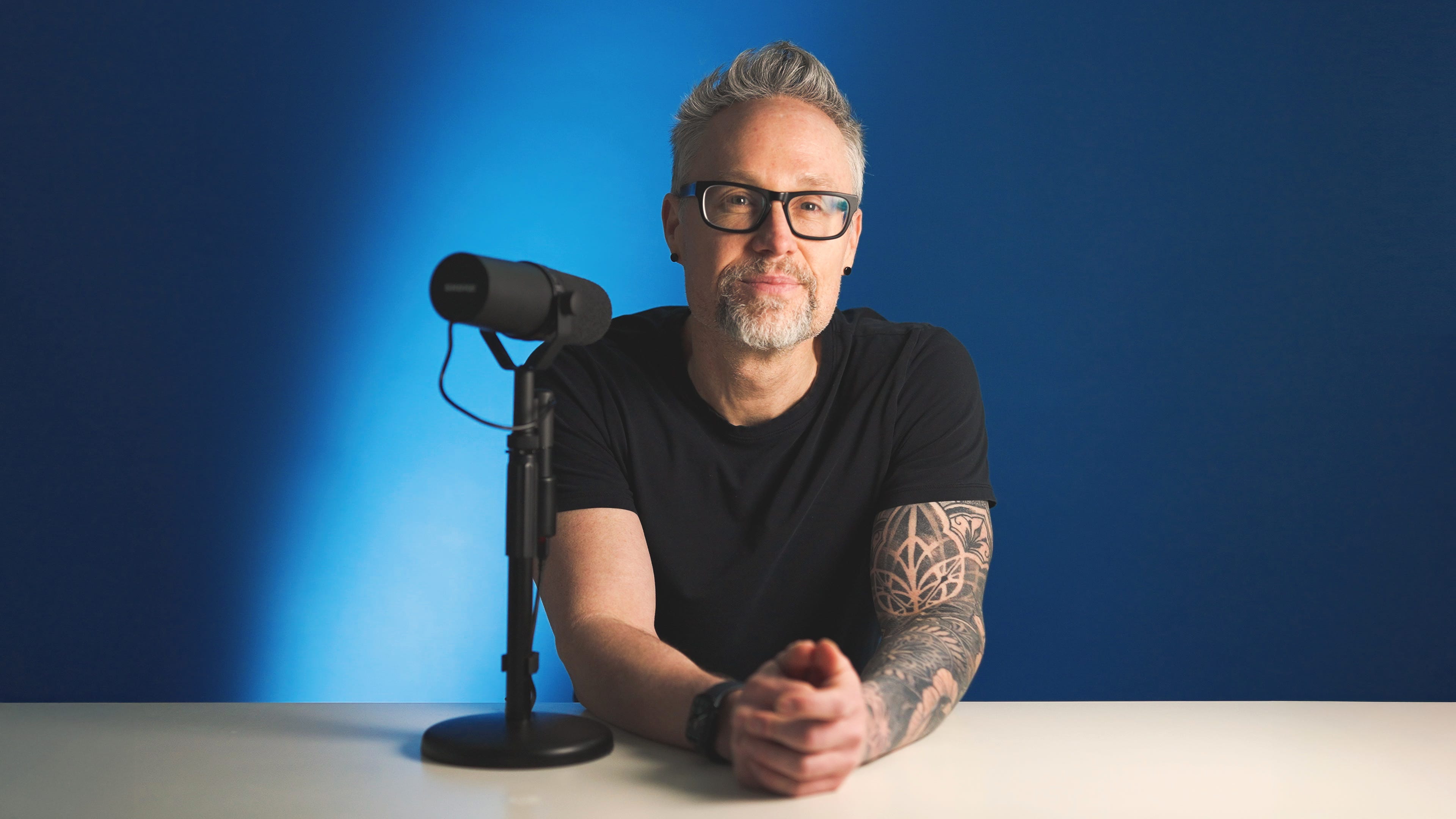
I’ve created a guided meditation to help you find your why. This isn’t about forcing an answer—it’s about creating space for your why to emerge. Take 10 minutes. Sit with the questions. Let what needs to surface, surface.
Listen to the guided meditation here:
How about you?
We’d love to hear from you in the comments:
What’s your “why” in sobriety—or in exploring sobriety in the year ahead?
If you listened to the meditation, how did it go?
Please share! And before you go, would you take a second to tap that little heart? It lets others know there’s something helpful here and grows our sober community.
We know that sharing about recovery and sobriety can feel vulnerable. Like in recovery groups, we ask that commenters in this space refrain from giving unsolicited advice or spreading hate and division. Thank you for helping us foster a kind and inclusive community!
Josh Woll is a filmmaker, sobriety coach, and founder of The Sober Creative. With nearly two decades as an award-winning filmmaker and five years of sobriety, he guides individuals through the intersection of sobriety and creative potential. His work reframes sobriety not as limitation but as liberation for authentic artistic expression. This January, he’s leading The Sober Creative Reset: 31 days of guided support, daily prompts, and community. Transformation doesn’t happen alone—it happens together.
Want to be published on Sober.com? If you’re sober and interested in contributing, we’d love to hear from you. Reach out to our newsletter manager here for submission guidelines.
 | A guest post by
|